Introduction:
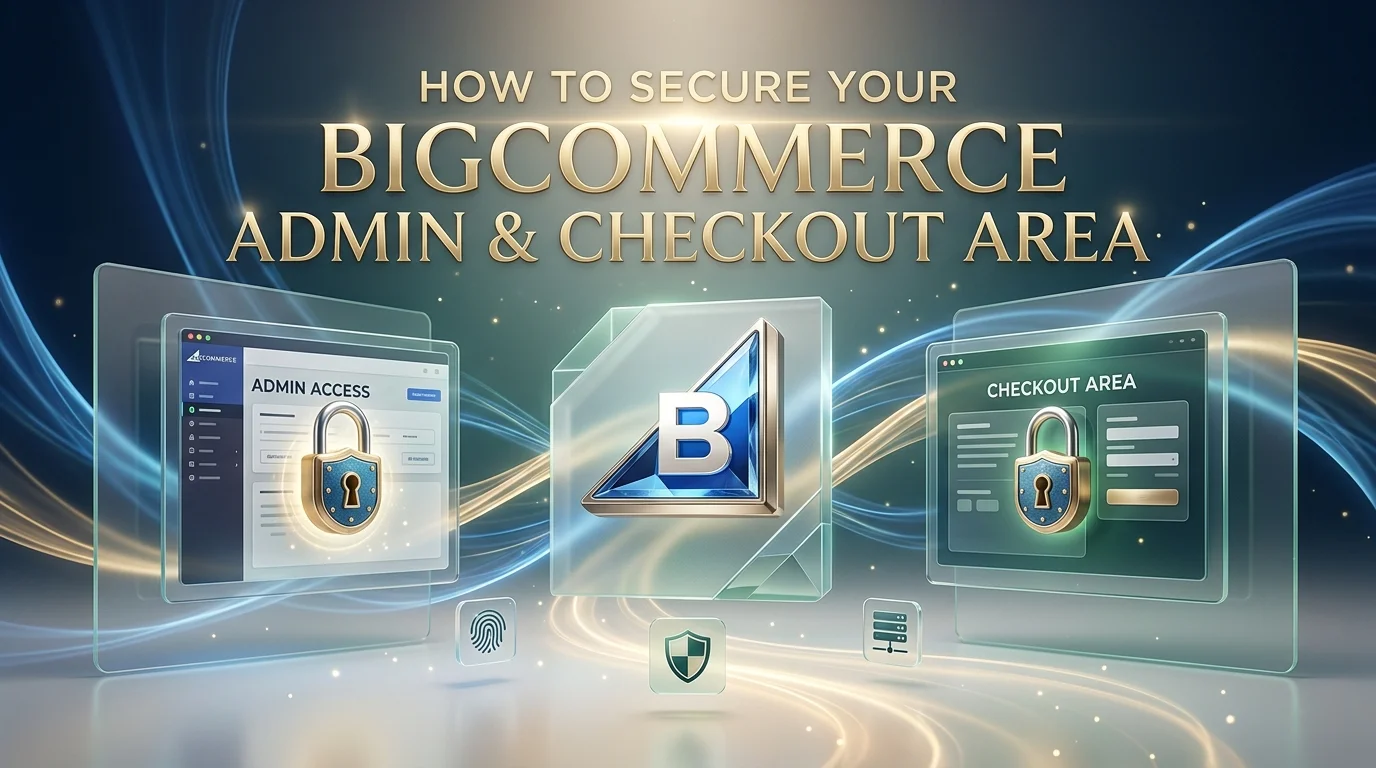
Securing a BigCommerce store requires a multi-layered approach that protects both the backend administrative controls and the frontend customer transaction space. As a SaaS platform, BigCommerce handles much of the core server security, but the merchant remains responsible for managing access and configuring specific safety protocols.
The following discussion outlines the most effective strategies for securing your BigCommerce Admin and Checkout area:
1. Enforcing Multi-Factor Authentication (MFA)
The administrative panel is the most sensitive area of your store. Unauthorized access here can lead to data theft or complete site defacement. Modern e-commerce security standards necessitate Two-Factor Authentication (2FA) to ensure that a stolen password alone is not enough to gain entry (Hatem et al., 2024). In BigCommerce, you should mandate MFA for all user accounts, especially those with high-level permissions, using authentication apps or hardware keys rather than less secure SMS-based codes.
2. Implementing the Principle of Least Privilege
A common security vulnerability is “human error” or internal misuse (Liu et al., 2022). To minimize this risk, use BigCommerce’s granular user roles to restrict access. Employees should only have permissions strictly necessary for their tasks—for example, a content writer does not need access to “Payment Settings” or “Exporting Customer Data.” Regularly auditing your user list and removing former employees or inactive accounts is a critical preventative measure.
3. Leveraging PCI-Compliant Checkout
BigCommerce is natively PCI DSS Level 1 certified, which means the platform itself meets the highest security standards for handling credit card data. To maintain this security in the checkout area:
- Use Optimized One-Page Checkout: This built-in feature is designed to be secure and minimizes the “hops” data takes between your store and the payment processor.
- Third-Party Cashier Coordination: When integrating third-party services like PayPal or Amazon Pay (Cashier-as-a-Service), ensure the integration is configured correctly to avoid logic flaws that could lead to inconsistent payment states (Security Analysis of CaaS, 2011).
4. Advanced Encryption and 3D Secure Protocols
While BigCommerce provides a free SSL certificate, enterprise-level stores often opt for premium EV (Extended Validation) SSLs for added trust. Beyond encryption, implementing 3D Secure (3DS) protocols adds an extra layer of authentication for credit card transactions, requiring customers to verify their identity with their card issuer (Master Thesis, 2020). This significantly reduces the risk of fraudulent “card-not-present” (CNP) transactions.
5. Protection Against Automated Threats (DDoS and Bots)
E-commerce sites are frequent targets for Distributed Denial of Service (DDoS) attacks and malicious bots that attempt “credential stuffing” (Liu et al., 2022). BigCommerce provides built-in protection against these volume-based attacks. However, you can enhance this by using a Web Application Firewall (WAF) like Cloudflare, which sits in front of your store to filter out malicious traffic before it ever reaches your admin or checkout area.
6. Secure API and App Management
If you use custom apps or integrations, ensure they use OAuth tokens rather than sharing master API credentials. Every third-party app represents a potential entry point for attackers. Only install apps from the official BigCommerce Marketplace and regularly review the permissions granted to these apps to ensure they aren’t accessing more data than required.
Conclusion:
Securing a BigCommerce store is a shared responsibility between the platform’s robust infrastructure and the merchant’s operational discipline. While the native PCI compliance handles the heavy lifting of data encryption, the true safety of your store relies on strict access controls and the proactive management of user permissions.
Meanwhile, a secure admin and checkout area does more than just protect data; it builds the consumer trust necessary for long-term growth. By layering multi-factor authentication with advanced fraud prevention protocols, you ensure that your business remains resilient against evolving cyber threats while providing a seamless, safe experience for your customers.