The 2026 Digital Health Landscape
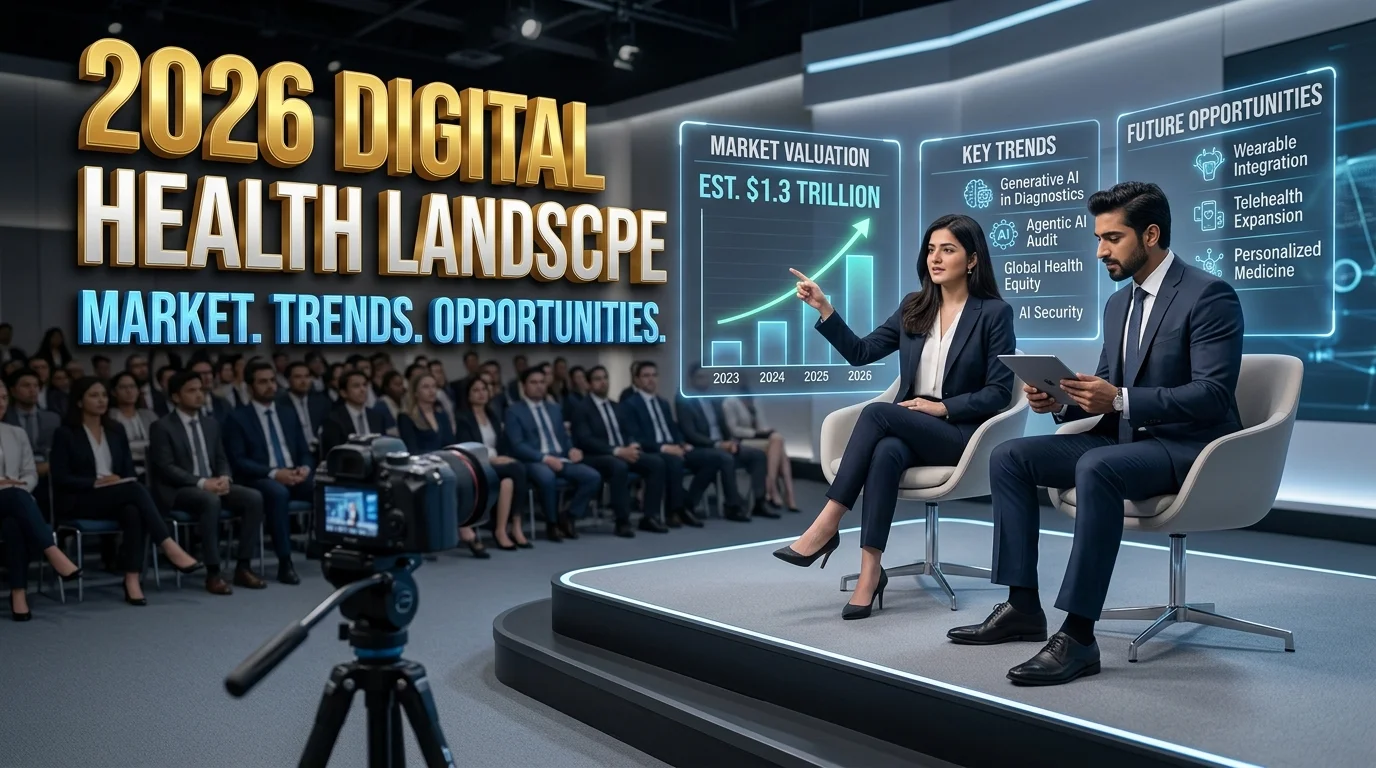
The digital health sector has transitioned from a pandemic-era growth phase to a mature, infrastructure-focused industry. In 2026, the market valuation is estimated to range between $420 billion and $490 billion globally, with projections indicating it will surpass the trillion-dollar mark by the early 2030s. The sector’s Compound Annual Growth Rate (CAGR) remains strong at roughly 15% to 21%, driven by the need to support an aging global population and manage the rising prevalence of chronic conditions.
Key Trends Transforming the Market
AI Moving to the Infrastructure Layer: Artificial intelligence and large language models (LLMs) are no longer just experimental add-ons. In 2026, they are embedded directly into clinical and operational systems. Technologies such as ambient clinical intelligence and predictive diagnostic analytics are supporting overburdened healthcare workers by automating administrative documentation and highlighting critical patient risks.
Telehealth as an Operating Model: Rather than serving merely as a temporary alternative to in-person clinics, virtual care has become a fundamental pillar of healthcare delivery. Hybrid models seamlessly integrate digital triage, remote diagnostics, and telehealth into everyday primary care, reducing wait times and the number of unnecessary visits to hospitals.
Specialized Consumer Wearables: Health-tracking hardware has evolved from basic step-counting fitness bands to medical-grade, condition-specific devices. These real-time remote patient monitoring (RPM) sensors continuously stream vital data—such as blood glucose levels, cardiac rhythms, and oxygen saturation—directly into electronic health record (EHR) platforms.
Enhanced Interoperability and Security: With the rapid expansion of cloud-based healthcare solutions and decentralized electronic records, zero-trust cybersecurity architecture has become mandatory. Protecting patient confidentiality and ensuring that these networks remain compliant with global data privacy regulations is now a core requirement for developers.
Future Opportunities and Expansion
Preventative Healthcare Applications: A shift from reactive treatment to proactive, preventative care offers significant growth potential for developers. Mobile health (mHealth) applications that assist patients in managing chronic illnesses are highly sought after by providers and insurance programs alike.
Integration of Emerging Markets: Rising smartphone penetration and expanding telecom infrastructure (such as 5G and IoT networks) have created opportunities to scale digital health services in emerging economies. This allows populations in remote areas to access high-quality medical consultations and digital pharmacies at lower costs.
Inclusive Digital Health Design: As these technologies become a central part of patient care, developers are focusing on user accessibility. Designing telehealth tools and user-friendly mobile apps that work seamlessly for individuals with varying abilities ensures broad adoption and long-term viability across diverse demographic groups.
Conclusion:
In conclusion, the digital health market in 2026 represents a fundamental evolution from fragmented technological experimentation to fully integrated, ecosystem-based healthcare delivery.
The rapid convergence of artificial intelligence, cloud-based electronic health records (EHR), and specialized consumer wearables is addressing the critical needs of an aging global population while helping to alleviate the strain on traditional clinical infrastructure.