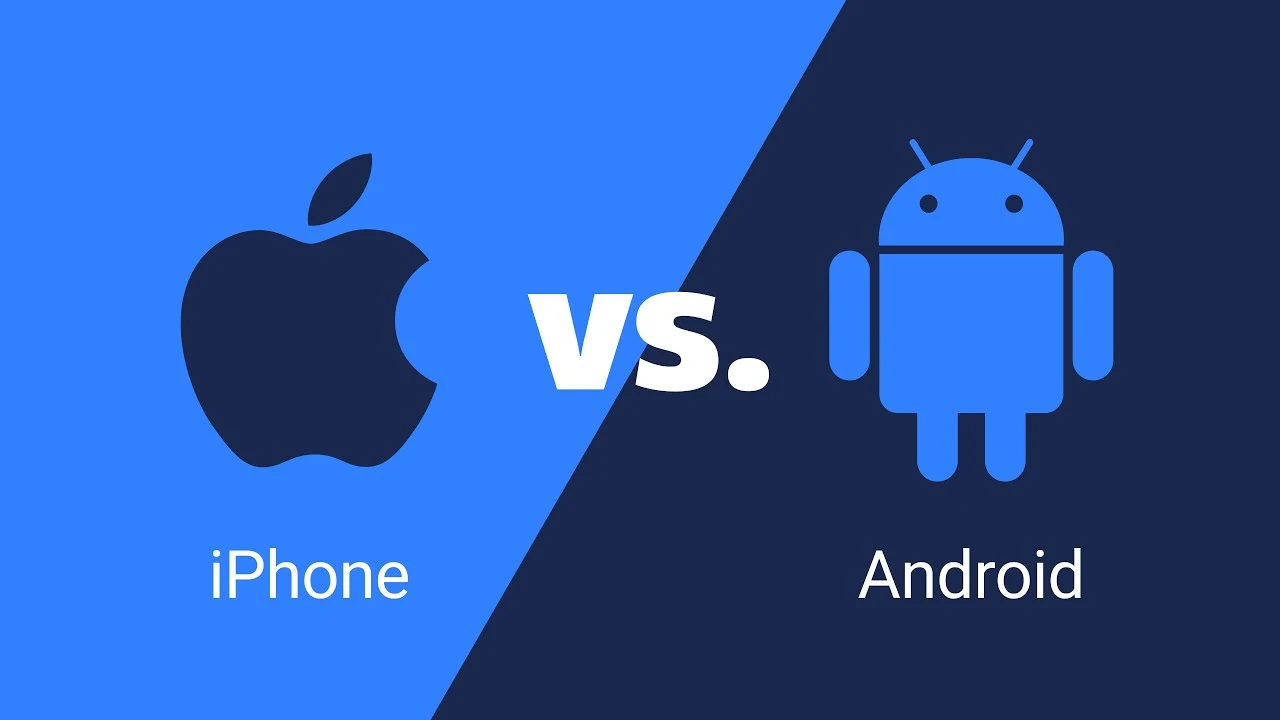
The debate between Apple’s iOS and Google’s Android operating systems extends far beyond technical specifications, delving deeply into the demographics, spending habits, and psychological profiles of their users. While Android dominates the global market in volume due to its diverse range of affordable devices, iOS users often represent a higher-income, brand-loyal demographic who prioritize a seamless, integrated, and premium experience.
This fundamental difference in ecosystem philosophy. Android’s openness and customizability versus Apple’s closed and curated control that creates two distinct consumer bases. Analyzing their disparate behaviors, from app spending and usage time to privacy concerns and social perceptions, is crucial for businesses and marketers seeking to effectively target the world’s two largest mobile audiences.
This exploration will outline the key differences in how iPhone and Android users interact with their devices, their spending power, and what their choice of operating system reveals about their priorities.
But first, the basics on smartphone users and the mobile OS market share
Globally, the smartphone user base is immense, with billions of people relying on their mobile devices for communication, commerce, and entertainment. The mobile operating system (OS) market is primarily a duopoly dominated by Android (Google) and iOS (Apple). Typically, Android consistently holds the commanding global market share, typically around 70-75%, largely due to its open-source nature, vast number of hardware manufacturers (like Samsung, Xiaomi, etc.), and a wide range of devices across all price points, making it the leader in most developing and price-sensitive regions across Asia, Africa, and Latin America.
However, the user base and market share distribution vary significantly by region and demographic. While Android boasts the sheer volume of users worldwide, iOS maintains a stronger, often leading, market share in wealthier, developed regions like North America and parts of Western Europe. iPhone users also tend to skew toward higher average incomes and younger age groups, and they exhibit higher spending on apps and in-app purchases compared to the average Android user.
The choice between the two often boils down to a preference for Android’s customizability and affordability across many brands versus iOS’s premium, tightly-integrated ecosystem and consistent user experience.
They offer different capabilities
The primary difference between the two dominant mobile operating systems, Android and iOS, lies in their fundamental approach to control and customization. Android, developed by Google, is an open-source platform, granting users and device manufacturers immense flexibility to customize the interface, install third-party applications (sideloading), and choose from a vast range of hardware options across various price points.
This openness, however, can lead to fragmentation in software updates and a more varied security landscape, as its security depends heavily on the specific manufacturer and model.
In contrast, iOS, proprietary to Apple, operates as a closed ecosystem, which tightly integrates the hardware and software for a consistent, highly streamlined user experience. This unified control allows Apple to deliver security and software updates uniformly and quickly across all compatible devices, generally leading to a stronger perception of security and longevity.
The trade-off for this cohesion is less user customization, a more restrictive App Store, and a limited selection of premium-priced devices exclusively from Apple.
Android vs. iOS Users: Differences in core demographics
The user base for iOS and Android platforms shows distinct demographic differences, primarily tied to income and geography. iOS users are generally characterized by a higher average income and are more concentrated in affluent, urban areas and developed countries, most notably leading the market share in the United States and Japan.
This demographic segment tends to be younger, including a strong presence of Gen Z and Millennials, who are often willing to pay a premium for a perceived seamless experience and brand status, which also translates into significantly higher in-app spending on the App Store.
Conversely, the Android user base is far broader and more diverse, dominating the global market share due to its presence on devices across all price points. Android’s users span a wider range of incomes and are heavily dominant in emerging markets across Asia, Africa, and Latin America, where its affordability and variety of hardware options appeal to a more cost-conscious consumer.
While older age groups generally have a stronger affinity for Android, its sheer scale means it represents a wide spectrum of ages, incomes, and consumer behaviors worldwide.
Does personality play a role?
Yes, studies suggest that personality traits can correlate with a user’s choice of operating system, though correlations vary and should not be seen as absolutes.
Generally, iOS users have sometimes been categorized as more extroverted, liberal, and viewing their smartphone as a status object, while Android users have been associated with being more introverted, conservative, and viewing their device primarily as a useful tool.
The approach to technology:
iOS users operate within a more controlled and uniform ecosystem where the user experience is consistent across a smaller range of high-end devices, often prioritizing a clean, simple, and secure experience with less customization. In contrast, Android users embrace an open-source platform with vast device and price variety, offering greater flexibility, customization options, and the ability to adjust settings and components more freely, which appeals to those who are more technical or value personalization.
Push notifications behavior:
A significant difference lies in permissions and engagement: iOS requires explicit user permission for push notifications, leading to lower opt-in rates (around 50-55%), but generally a higher-quality engagement from those who opt-in. Android, by default, often opts users in and offers more flexibility for grouping and display, resulting in much higher opt-in rates (around 80-85%) and often a higher click-through or reaction rate on notifications.
Acquisition, in-app engagement and retention:
While Android dominates in global market share and overall number of app downloads (acquisition), iOS users tend to have higher engagement and retention rates. Studies often show iOS users are more loyal to their apps and are more likely to spend time within them, leading to a higher user Lifetime Value (LTV), even though Android’s sheer user base results in more installs globally.
Consumer spend and mCommerce:
iOS users consistently demonstrate significantly higher spending habits both on apps and in-app purchases, often generating the majority of global app revenue despite having a smaller global market share. This willingness to spend is tied to the typically higher income and affluence of the iOS user base, making them the primary monetization audience for paid apps, subscriptions, and mCommerce transactions.
Loyalty to a specific platform:
Both platforms boast high loyalty, but Apple’s iOS users exhibit a slightly fiercer brand loyalty, with over 90% often sticking with an iPhone when they upgrade. Android loyalty is also strong but more fragmented, typically ranging from 70-85% depending on the brand, as the multi-manufacturer ecosystem allows users to switch between brands (like Samsung, Google, etc.) while staying within the Android operating system.
When to choose which one:
The choice of platform for app development is primarily dictated by the target audience and monetization goals: you should prioritize iOS first if your goal is immediate revenue generation, targeting a high-spending, premium audience, or launching primarily in wealthy Western markets (like the US and Japan). You should choose Android first if your goal is mass market penetration, maximizing the total number of installs, or targeting price-sensitive or emerging global markets (like Asia and Africa).
Conclusion:
This analysis reveals that the choice between iOS and Android involves not just technical differences but significant variations in user demographics, behavior, and monetization potential. Android offers vast global reach and customization but struggles with in-app revenue, while iOS provides a premium, high-revenue audience with higher app engagement and a simpler development ecosystem.
Meanwhile, for the developers, targeting Android maximizes user acquisition, but targeting iOS maximizes profit, making the final platform decision dependent on whether the goal is scale or revenue.