Introduction:
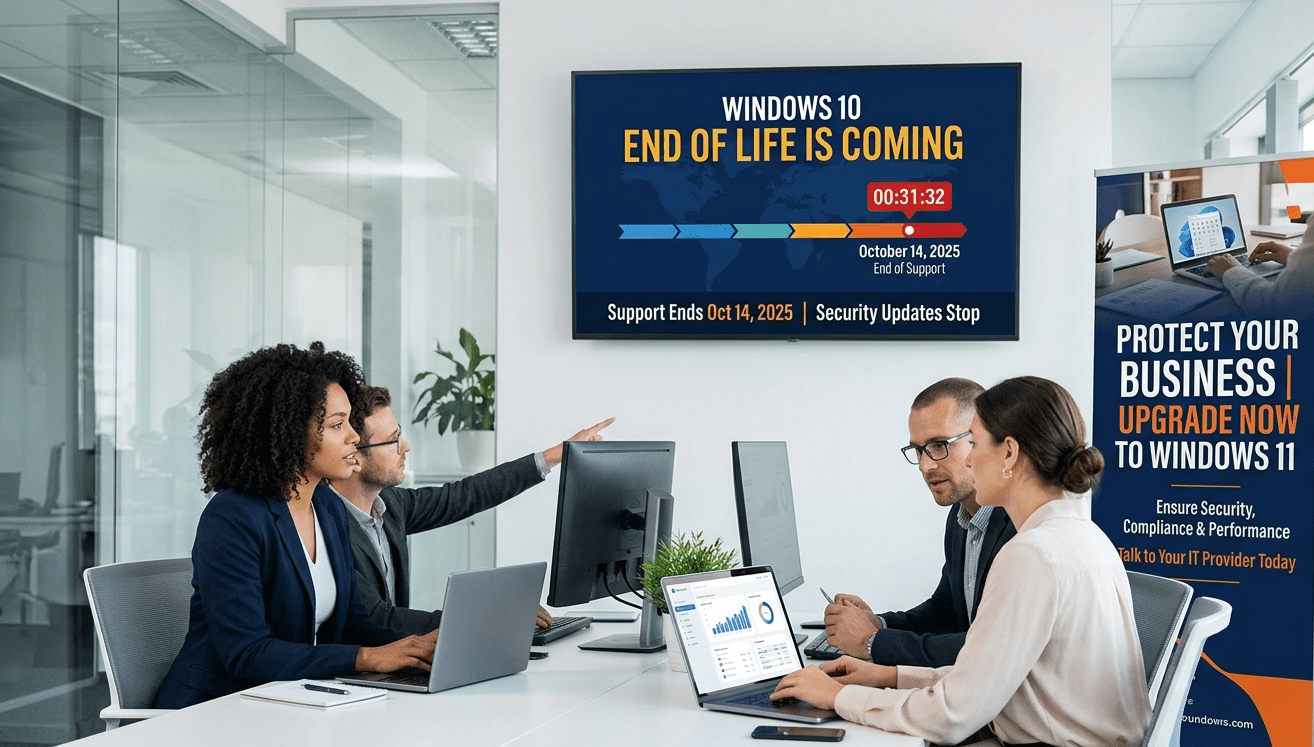
The “End of Life” for Windows 10 is no longer a distant date on a calendar; as of early 2026, the standard support window has officially closed. For businesses still operating on this platform, the transition is now a matter of urgent security and compliance. Operating on an “End of Life” (EOL) system means navigating a landscape where the software no longer receives the vital updates required to fending off modern cyber threats.
The Reality of Post-Support Operations
The Security Vulnerability Gap
The most immediate risk of staying on Windows 10 is the cessation of free security patches. Hackers specifically target EOL operating systems because they know that once a new vulnerability is discovered, it will remain unpatched forever. In 2026, this risk is magnified by the expiration of original Secure Boot certificates (set for June 2026), which are essential for ensuring that your hardware only runs trusted, authentic software.
Without these updates, your devices become “open doors” for ransomware and remote code execution attacks.
The Rising Cost of Delay (ESU Program)
For businesses that absolutely cannot migrate yet, Microsoft offers the Extended Security Updates (ESU) program. However, this is designed as a temporary bridge, not a permanent home.
Commercial Pricing:
For the first year (2025–2026), the cost is approximately $61 per device.
The Escalation: This price typically doubles each consecutive year. By the time a business reaches Year 3, the cost of simply keeping an old computer secure may rival the price of a brand-new Windows 11 device.
Limited Scope: ESU only provides “critical” security patches. It does not include new features, performance improvements, or general technical support.
Software and Hardware Incompatibility
As 2026 progresses, third-party software vendors, including those for accounting, CRM, and creative tools are dropping support for Windows 10. This creates a “compatibility crunch” where your essential business apps may stop updating or fail to run entirely. Furthermore, modern AI-powered features and “Copilot+” capabilities require specific hardware (like NPUs) and the Windows 11 architecture to function, leaving Windows 10 users stuck with a diminishing toolkit.
Navigating the Transition
Audit and Assess Hardware Compatibility
The first step is determining which of your current devices meet the Windows 11 requirements, specifically the need for TPM 2.0 and compatible processors. Using tools like the “PC Health Check” app can quickly identify which machines can be upgraded for free and which ones require a hardware refresh.
Plan for a “Phased Rollout”
Rather than attempting to upgrade every workstation on a single weekend, businesses should use a tiered approach. Start with a “pilot group” to identify any legacy software conflicts. Once validated, move through departments based on their security risk and hardware readiness. This minimizes downtime and allows your IT team to manage the learning curve for staff.
Leverage Cloud-Based Solutions
If you have aging hardware that cannot support Windows 11, consider Windows 365 or Azure Virtual Desktop. These services allow you to stream a secure, modern Windows 11 environment to an older device, bypassing local hardware limitations while maintaining a high security standard.
The transition away from Windows 10 is a strategic move toward a Zero Trust security posture. Windows 11 was built with hardware-rooted protection as a baseline, offering a significantly more resilient foundation against the sophisticated threats of 2026.
Conclusion:
Meanwhile, the end of support for Windows 10 marks a critical turning point where staying put becomes a greater risk than moving forward. Operating on an outdated system in 2026 leaves your business exposed to unpatched vulnerabilities, rising maintenance costs, and diminishing software compatibility.
By prioritizing a transition to Windows 11 now, you aren’t just checking a compliance box; you are equipping your team with a more secure, AI-ready foundation that ensures your digital operations remain resilient and competitive.